Ophthalmology
What is Ophthalmology?
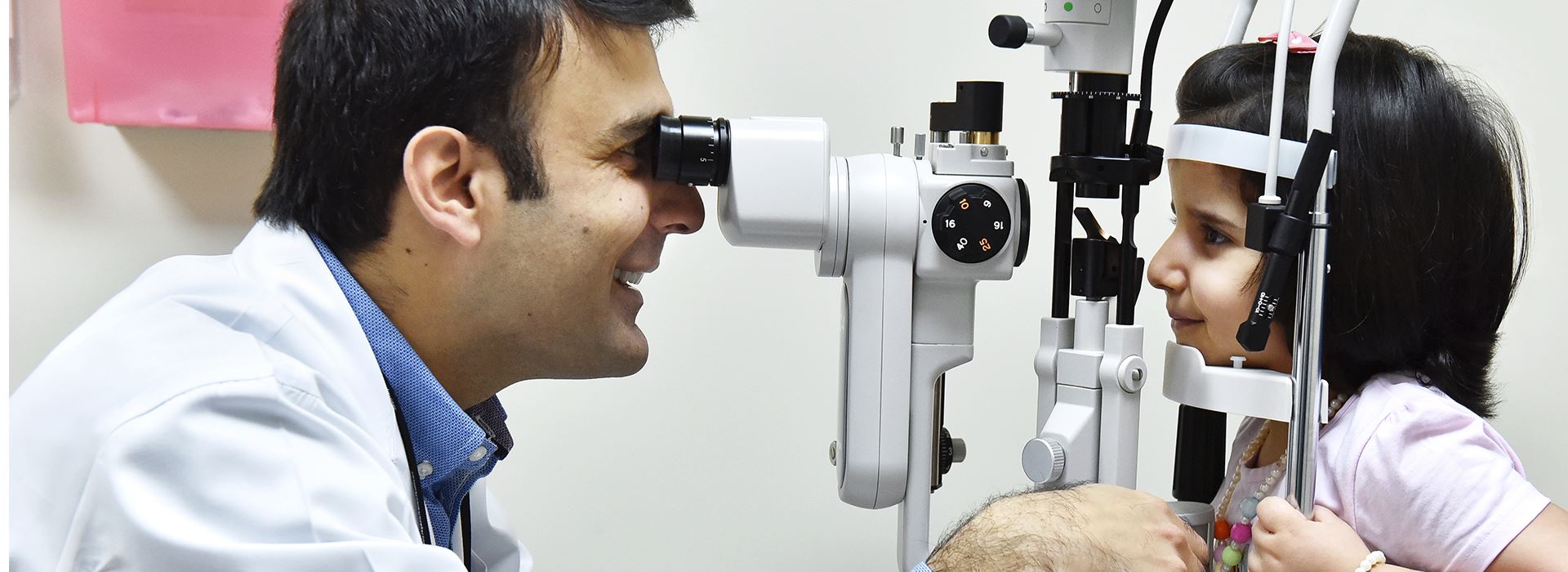
At Johns Hopkins Aramco Healthcare (JHAH), we adopt a team approach to taking care of your sight. Our eye care experts include consultants, technicians and nurses, who are trained to treat a variety of conditions. We provide a wide range of diagnostic and medical expertise for eye treatments including cornea, retina, glaucoma and pediatric surgeries, as well as a contact lens clinic.

Cataract surgery
This day surgery is carried out under local anesthetic by our consultant ophthalmologists. You can expect high standards of eye surgical care, and very high success results.

Contact lens service
While many people successfully wear regular soft contact lenses to correct their eyesight, you may suffer from decreased vision due to corneal diseases, and require a custom-made soft, hard or hybrid contact lens. If the front part of your eye becomes abnormal either due to a disease or after surgery, these special contact lenses can help improve your eyesight.

Corneal and external eye diseases
Our cornea specialists provide a range of diagnostic and surgical services for various types of corneal diseases, using the most up-to-date diagnostic equipment. Surgical procedures include treatment of keratoconus, corneal transplantation, pterygium excision and secondary lens placement. We also fit therapeutic contact lenses for eye diseases that cannot be corrected with simple glasses prescriptions or soft contact lenses.

Glaucoma
This is a leading cause of blindness worldwide. Our experts diagnose various forms of glaucoma, and provide medical and surgical treatment.

Inflammatory eye disease (uveitis)
Our uveitis specialist provides diagnostic and therapeutic care if you are dealing with this inflammatory eye disease.

Keratoconus screening
The Keratoconus screening program at JHAH is designed to diagnose Keratoconus disease early and manage it accordingly. Learn more about the screening program

Retina surgery
Our retina surgeon treats a variety of problems, including retinal detachment, macular holes, retinal membranes, diabetic retina diseases, and hemorrhages inside the eye. Treatments include the use of laser probes and micro-instruments by trans-conjunctival sutureless surgery.
Pediatric ophthalmology service
Many children have eye disorders, and the vast majority are treatable. Early diagnosis is essential to prevent them from impacting on the child’s quality of life and performance at school. We treat the following pediatric conditions: Blockage of the tear passages (nasolacrimal duct obstruction) – this blockage, which prevents tears from running, is relatively common and usually disappears within a year as the child grows. We recommend massaging the inner corner of the eyelid regularly, but may open the tear passage with a quick procedure for children over a year old Childhood cataracts – cataracts can cause eyesight to be blurry or hazy, a bit like trying to look through frosted glass. Some babies are born with cataracts, and some develop them in the first six months of their life. Treatment can involve surgery to remove the cloudy lens (or lenses), followed by the long-term use of glasses or contact lenses Lazy eye (amblyopia) – affecting around three to five percent of children, this occurs when an eye that is otherwise normal has not received proper stimulation during early childhood. Treatment typically involves correcting any focusing problems with glasses, and then covering the good eye (patching) to force the lazy eye to work Squint (strabismus) – a misalignment of one or both eyes that affects around two percent of children. Treatment may involve the use of glasses, orthoptic therapy or eye muscle surgery Refractive errors – the most common form, short-sightedness (poor distance vision), is usually seen in school-age children and is treated effectively, in most cases, with glasses We recommend that children have regular eye tests. These can be arranged through your Primary Care Clinic. Find out more about our pediatric services

Medical retina service
Our medical retina experts treat a wide range of conditions that affect the retina (the light-sensitive film at the back of the eye), such as diabetic eye disease, age-related macular degeneration and retinal vein occlusions. We use advanced retinal imaging technologies for accurate and speedy diagnosis, and our comprehensive range of eye treatments includes eye drops, laser therapy and injections into the eye.
Ophthalmology Doctors

Ophthalmology Consultant
Dr. Abdulelah Alabdullah
Ophthalmology
Languages: English, Arabic


Senior Ophthalmic Surgeon
Dr. Abobakr Elgadi
Ophthalmology
Languages: English, Arabic
Consultant Ophthalmology
Dr. Alaeddin Hatoum
Ophthalmology
Languages: English, Arabic
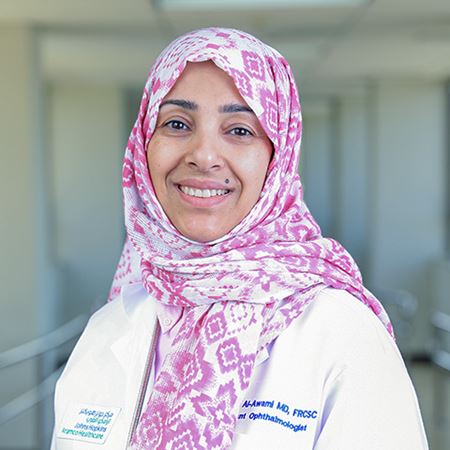
Ophthalmology Consultant
Dr. Amal Al-Awami
Ophthalmology
Languages: English, Arabic
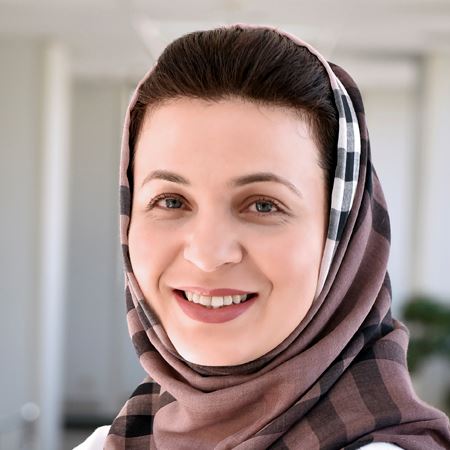
Ophthalmologist
Dr. Ashbala Khattak
Ophthalmology
Languages: English, Arabic
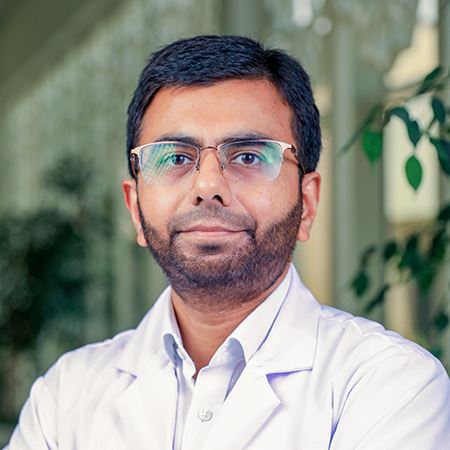
Ophthalmology Consultant
Dr. Gulrez Ansari
Ophthalmology
Languages: English
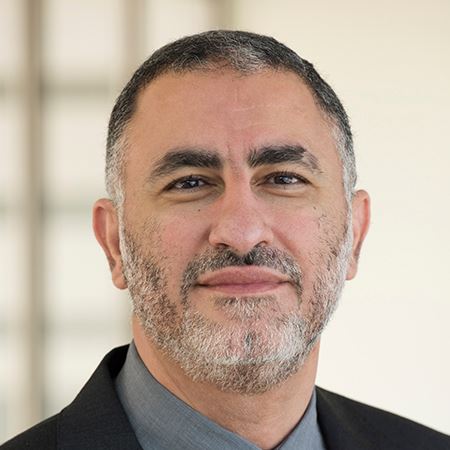
Ophthalmology Glaucoma Consultant
Dr. Moaz Suleiman
Ophthalmology
Languages: English, Arabic
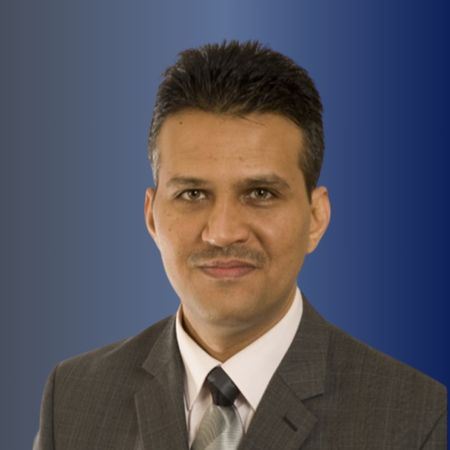
Ophthalmology Subspecialist
Dr. Mouhamed Al Aqaba
Ophthalmology
Languages: English, Arabic
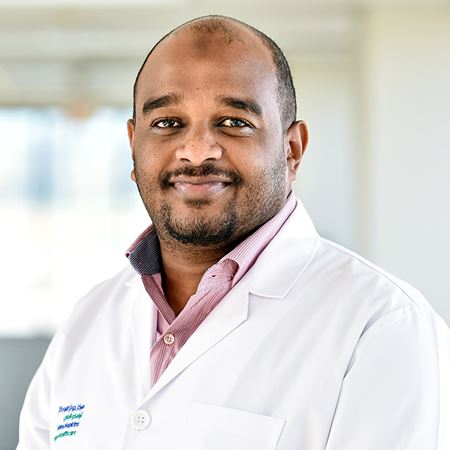
Ophthalmology Physician
Dr. Noureldaim Musa
Ophthalmology
Languages: English, Arabic
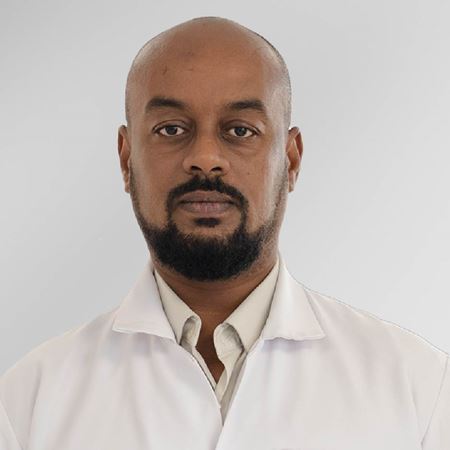
Senior specialist ophthalmology
Dr. Saeed Ibrahim
Ophthalmology
Languages: English, Arabic