

Our Approach to Cancer Care
How We Deliver Excellence
At JHAH, we’ve transformed cancer care delivery through a proven model that puts you at the center of everything we do. Our approach combines Johns Hopkins clinical excellence with seamless coordination, ensuring every patient receives personalized care backed by a full team of specialists working together toward one goal: your best possible outcome.
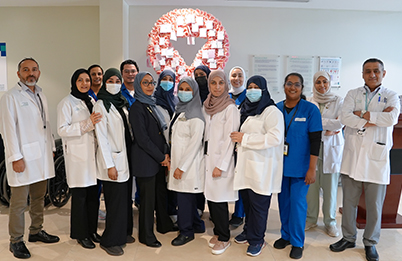
1. Comprehensive Evaluation
From your first visit, our team conducts thorough diagnostic evaluations using the most advanced imaging and molecular testing available. We gather all the information needed to understand your specific cancer.
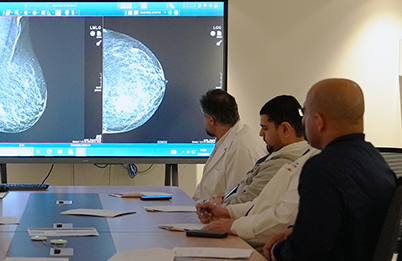
2. Multidisciplinary Review
Your case is reviewed by our tumor board—a team of specialists from multiple disciplines who collaborate to develop the most effective treatment strategy for you.
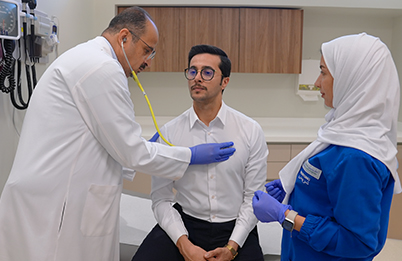
3. Personalized Treatment Planning
We present you with a clear, personalized treatment plan that considers your cancer's unique characteristics, your overall health, and your personal values and preferences.

4. Coordinated Treatment Delivery
Throughout your treatment, our team works together seamlessly, with your nurse coordinator ensuring smooth coordination and communication.

5. Continuous Support
From emotional support to practical assistance, our patient and family services team is available throughout your cancer journey and beyond.

6. Survivorship Care
After treatment, we provide comprehensive survivorship care, including monitoring, management of long-term effects, and wellness programs.
The Complete Cancer Care Continuum
Supporting You Through Every Step from Prevention to Survivorship
Our comprehensive approach ensures you receive coordinated, compassionate care throughout your entire cancer journey.
Community education and awareness campaigns
Risk factor screening and assessment
Genetic counseling for hereditary cancers
Lifestyle modification support
Vaccination programs (HPV, Hepatitis B)
Mammography and breast imaging
Colonoscopy and colorectal screening
PSA testing and prostate evaluation
High-risk screening protocols
Convenient, accessible screening services
Advanced imaging (MRI, CT, PET-CT)
Expert pathology with molecular profiling
Comprehensive staging evaluation
Multidisciplinary tumor board review
Clear communication of diagnosis and prognosis
Personalized, evidence-based treatment plans
Multidisciplinary team collaboration
Shared decision-making with patients and families
Integration of supportive care from the start
Access to second opinions from Johns Hopkins Medicine
Surgery (minimally invasive, robotic assisted)
Medical oncology (chemotherapy, targeted therapy, immunotherapy)
Radiation therapy (IMRT, SBRT, advanced techniques)
Clinical trial participation
Supportive care throughout treatment
Surveillance for recurrence
Management of long-term treatment effects
Rehabilitation and wellness programs
Psychosocial support
Return-to-work and return-to-life guidance
Symptom management and comfort care
Family support and counseling
Advance care planning
Hospice services when needed
Bereavement support
Comprehensive Support Beyond Treatment
At JHAH, we know cancer care involves more than medical treatment. Our comprehensive support services include dedicated nurse coordinators, counseling and support groups, financial guidance, rehabilitation programs, and nutrition planning. We also provide practical help with transportation, accommodation, and community resources. Every service is designed to support you and your family through treatment.
Learn About Our Cancer Programs

Breast Cancer
The JHAH Breast Cancer Program provides comprehensive care through every phase of your breast cancer journey—from screening and diagnosis through treatment, recovery, and survivorship.


Colorectal Cancer
The JHAH Colorectal Cancer Program combines Johns Hopkins expertise with advanced screening to prevent most cases, while offering innovative treatments that transform outcomes for those diagnosed.

Prostate Cancer
The JHAH Prostate Cancer Program uses precision medicine to match each patient with the most effective treatment, from active surveillance for low-risk cases to advanced therapies for aggressive cancers.