

Clinical Trials & Research
Access to Tomorrow’s Treatments Today
Through our partnership with Johns Hopkins Medicine, patients at JHAH have access to cutting-edge clinical trials and investigational therapies not widely available elsewhere in the region.
Why Consider Clinical Trials
Clinical trials give you access to new treatments before they’re widely available. You receive close monitoring by research teams and may experience better outcomes than with standard treatments. There’s no cost for the investigational treatment, and you help advance cancer care for others.
What We’re Researching
Our clinical research focuses on precision medicine and genomic profiling, immunotherapy for various cancer types, and targeted therapies for specific mutations. We’re also developing less invasive treatments and studying quality of life improvements for cancer survivors.
How to Get Started
Talk to your oncologist about clinical trial options. Our clinical trial coordinators will help assess your eligibility and explain relevant studies. We’ll guide you through the informed consent process and provide support throughout your participation.
Latest News & Research
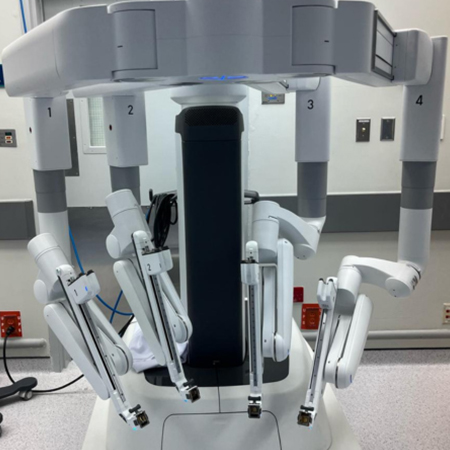
23 Feb, 2025
JHAH surgeon conducts first known robotic surgery of its kind in Saudi Arabia to treat colon cancer patient
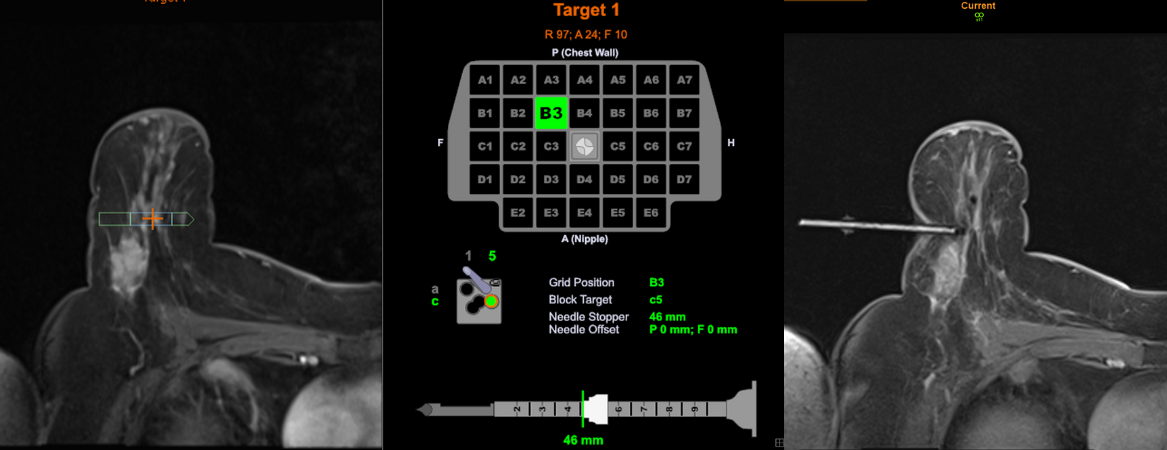
13 Mar, 2025
JHAH unveils precision imaging technology for breast cancer screening and diagnosis

12 Mar, 2025
JHAH research suggests AI-enhanced medical imaging can help detect early-stage heart disease in cancer patients
Our Partnership With Johns Hopkins Medicine
Built on 50+ Years of Cancer Care Excellence
Our Oncology Center of Excellence is modeled after and partnered with the Sidney Kimmel Comprehensive Cancer Center at Johns Hopkins, one of the world’s premier cancer institutions.
A Legacy of Leadership
Since 1973, the Sidney Kimmel Comprehensive Cancer Center has been among the first centers designated by the National Cancer Institute, representing the highest standard of cancer research and care in the United States. This designation reflects decades of groundbreaking achievements that have shaped modern cancer treatment.
Advancing Cancer Care Through Innovation
Johns Hopkins pioneered early bone marrow transplants and developed drugs that made self-donated transplants possible. Our partner was first to comprehensively map cancer genomes and developed GVAX, the first therapeutic cancer vaccine. Through the Bloomberg Kimmel Institute for Cancer Immunotherapy, Johns Hopkins continues to lead advances in checkpoint inhibitors and innovative approaches to engaging the immune system against cancer.
From Research to Treatment
What sets Johns Hopkins apart is the seamless translation of laboratory discoveries into clinical care. Research findings rapidly become new treatments for patients, with continuous innovation in prevention, diagnosis, treatment, and survivorship. Every complex case benefits from multidisciplinary tumor boards, coordinated care across specialties, and comprehensive support programs that address the whole person.
Global Excellence, Local Care
Johns Hopkins faculty includes world-renowned oncology leaders who train cancer specialists from around the globe. Their published research shapes international cancer care standards, and they collaborate with leading centers worldwide. Now, this proven model of excellence comes directly to Saudi Arabia through JHAH, bringing world-class cancer care to the Eastern Province.
Learn About Our Cancer Programs

Breast Cancer
The JHAH Breast Cancer Program provides comprehensive care through every phase of your breast cancer journey—from screening and diagnosis through treatment, recovery, and survivorship.


Colorectal Cancer
The JHAH Colorectal Cancer Program combines Johns Hopkins expertise with advanced screening to prevent most cases, while offering innovative treatments that transform outcomes for those diagnosed.

Prostate Cancer
The JHAH Prostate Cancer Program uses precision medicine to match each patient with the most effective treatment, from active surveillance for low-risk cases to advanced therapies for aggressive cancers.