
Prevention & Screening
Breast cancer detected early, when it's small and hasn't spread, is highly treatable. Regular screening is the best way to find breast cancer early, often before any symptoms appear. Our comprehensive breast health program emphasizes prevention and early detection through screening, risk assessment, and education.
JHAH strongly advocates for breast self-awareness and regular mammograms as essential steps in breast cancer prevention.
JHAH Recommendations for Breast Cancer Screening
JHAH recommends that average-risk women aged 40–74 receive a mammogram annually. This screening is a crucial tool for detecting breast cancer early, when it is most treatable.
High-Risk Women Need Enhanced Screening
Who Is High-Risk:
BRCA1/2 or other gene mutation carriers
First-degree relative with BRCA mutation
Lifetime risk ≥20% by risk assessment models
Prior chest radiation therapy (age 10–30)
Personal history of breast cancer
Certain benign breast conditions (atypical hyperplasia, LCIS)
Dense breast tissue combined with other risk factors
Enhanced Screening Protocol:
Annual mammography starting at age 30 (or 10 years before youngest family diagnosis)
Annual breast MRI in addition to mammography
Clinical breast examination every 6–12 months
Consider risk-reduction strategies
Screening Methods
Our screening methods are designed to detect breast cancer early, often before symptoms appear. Regular mammograms and risk assessments are the best way to protect your breast health.
Digital Mammography
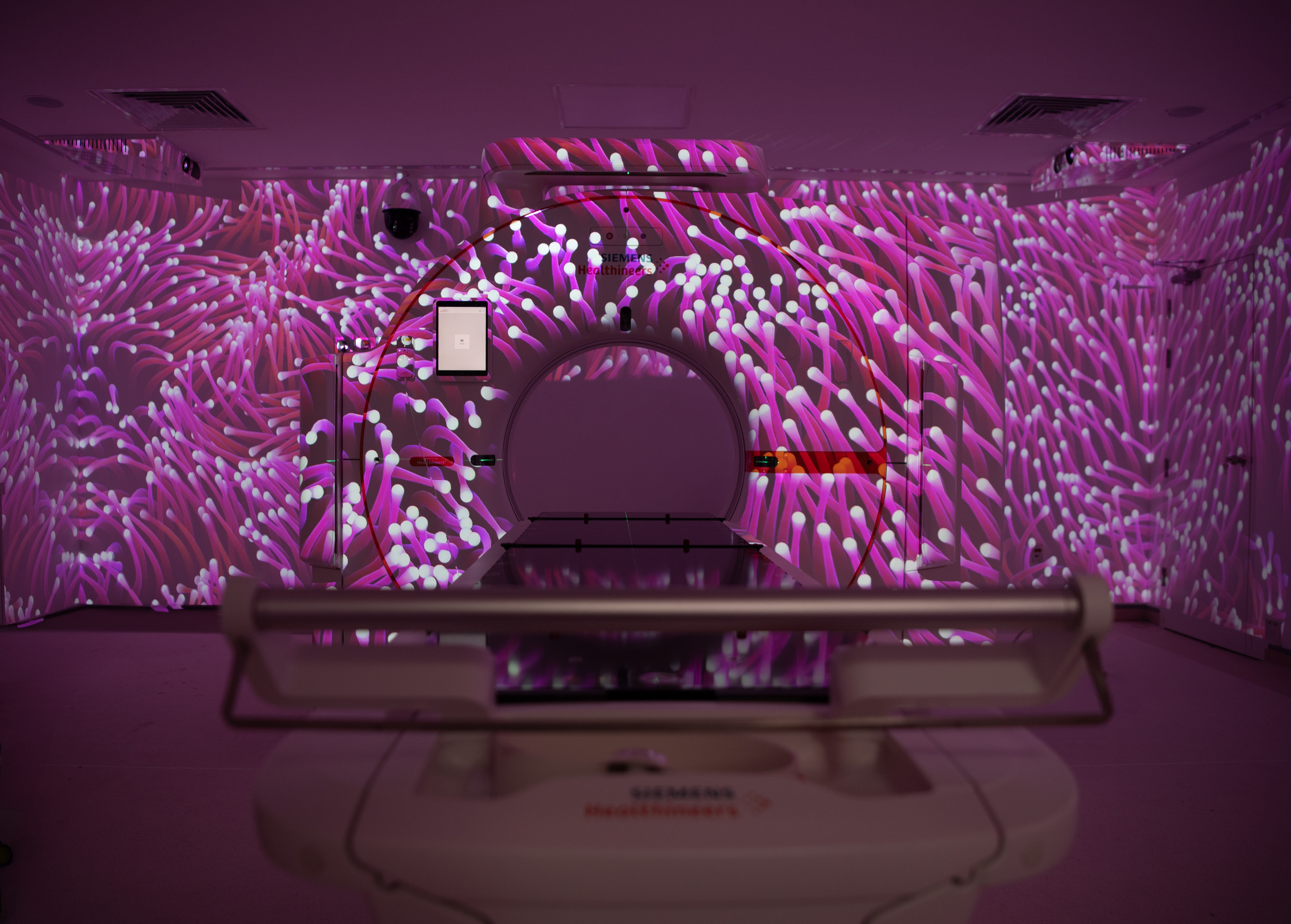
X-ray imaging of the breast
Can detect cancers 2–3 years before they can be felt
Brief compression of breast for clear images
Takes about 20 minutes
3D Mammography (Tomosynthesis)
Multiple images create 3D view of breast
Better detection, especially in dense breasts
Fewer false positives (fewer callbacks)
Slightly longer procedure
Preferred method when available
What to Expect:
Schedule when breasts are least tender (week after period)
No deodorant, powder, or lotion on exam day
Two views of each breast
Results typically within 1–2 weeks
For High-Risk Women:
Most sensitive screening method
No radiation exposure
Uses contrast dye (injected)
30-45 minute procedure
Must be done at specific time in menstrual cycle
Used in addition to, not instead of, mammography
Benefits:
Detects cancers not visible on mammography
Especially valuable for BRCA mutation carriers
Better visualization in dense breast tissue
Limitations:
More false positives than mammography
May require additional biopsies
Not appropriate for everyone
More expensive
Supplemental Screening:
For women with dense breast tissue
No radiation
Can distinguish fluid-filled cysts from solid masses
Often used to evaluate abnormalities found on mammogram
Not a Replacement:
Does not replace mammography
May miss some cancers
Used as additional tool, not primary screening
By Healthcare Provider:
Visual inspection and palpation
Part of regular health checkups
Can detect changes not yet visible on imaging
Every 1-3 years for women 25-39
Annually for women 40 and older
Know Your Normal
Become familiar with how your breasts normally look and feel
Notice any changes in size, shape, or texture
Report any changes to your doctor promptly
Changes to Report:
New lump or thickening
Dimpling or puckering of skin
Nipple changes (inversion, discharge, scaling)
Redness or swelling
Persistent pain in one spot
Changes in breast size or shape
Important: Most breast changes are NOT cancer, but all should be evaluated.
If an abnormality is found, our diagnostic imaging and biopsy services provide an accurate diagnosis, ensuring you receive the most appropriate care from the start. Learn more about our Diagnostics & Testing services
Breast Density and Your Screening
Breast density refers to the amount of glandular and fibrous tissue compared to fatty tissue in your breasts. About 40% of women have dense breasts, which contain more glandular and fibrous tissue than fatty tissue. This is completely normal, but it’s important to understand how density affects your screening and risk.
Why Breast Density Matters
Dense breast tissue appears white on mammograms, just like potential cancers do, making it harder to detect abnormalities. Additionally, having dense breasts is an independent risk factor for developing breast cancer. Radiologists classify breast density into four categories: almost entirely fatty, scattered fibroglandular densities, heterogeneously dense, and extremely dense.
Your Screening Plan for Dense Breasts
If you have dense breasts, we’ll notify you after your mammogram. This doesn’t mean you have cancer or need to worry, but it does mean we should discuss your screening strategy. You should continue annual mammography, and depending on your other risk factors, we may recommend supplemental screening with ultrasound or MRI to ensure we’re getting the clearest possible view of your breast health.
Understanding Your Risk

Risk Factors You Cannot Change
Being a woman (99% of breast cancers occur in women)
Getting older (risk increases with age)
Inherited gene mutations (BRCA1/2, others)
Family history of breast or ovarian cancer
Personal history of breast cancer
Dense breast tissue
Prior chest radiation therapy
Risk Factors You Can Influence
Being overweight or obese (especially after menopause)
Physical inactivity
Alcohol consumption
Never having children or having first child after 30
Not breastfeeding
Use of hormone replacement therapy
Genetic Counseling and Testing
Genetic counseling helps identify whether you carry inherited gene mutations that increase breast cancer risk. You should consider genetic counseling if you were diagnosed with breast cancer before age 50, triple-negative breast cancer before age 60, or cancer in both breasts. It’s also recommended for men with breast cancer, women with both breast and ovarian cancer, or anyone with a family history of breast, ovarian, pancreatic, or prostate cancer. If your family has a known gene mutation, genetic counseling becomes especially important.
The Testing Process
Genetic testing begins with a counseling session where we review your personal and family history. Testing requires only a simple blood or saliva sample to analyze BRCA1/2 and other cancer-related genes. Once results are available, our genetic counselors explain what they mean for you and your family, help you develop a management plan, and provide guidance on whether family members should consider testing.
Managing Positive Results
If testing reveals a mutation, we create a personalized risk management plan. This may include enhanced screening with mammography and MRI starting as early as age 25–30, risk-reduction medications like tamoxifen or raloxifene, or discussion of preventive surgery options. We also monitor for other cancers associated with the specific mutation, ensuring comprehensive protection for your health.
Prevention Strategies
While we can’t eliminate all breast cancer risk, research shows that certain lifestyle choices and medical interventions can significantly reduce your chances of developing the disease. Our prevention program helps you understand which strategies may benefit you most based on your individual risk factors, empowering you to make informed decisions about your health.
Maintain Healthy Weight:
Especially important after menopause
Even modest weight loss can reduce risk
Combine diet and exercise
Exercise Regularly:
At least 150 minutes moderate activity weekly
Or 75 minutes vigorous activity weekly
Reduces risk by 10-20%
Limit Alcohol:
Even small amounts increase risk
If you drink, limit to 1 drink per day or less
Less is better; none is best
Breastfeed If Possible:
Especially if breastfeeding for 1+ years
Reduces risk for mother and child
Avoid Hormone Therapy:
If needed for menopausal symptoms, use lowest dose for shortest time
Combined estrogen-progestin increases risk more than estrogen alone
Don't Smoke:
Smoking linked to increased breast cancer risk
Especially in premenopausal women
Selective Estrogen Receptor Modulators (SERMs):
Tamoxifen (premenopausal and postmenopausal)
Raloxifene (postmenopausal only)
Reduce risk by about 50% in high-risk women
5-year course of treatment
Aromatase Inhibitors:
Exemestane, anastrozole (postmenopausal)
Alternative to tamoxifen
Reduce risk by about 50%
Who Should Consider:
Lifetime risk ≥20%
LCIS or atypical hyperplasia
BRCA mutation carriers (though many choose surgery)
Discuss Benefits vs. Risks:
Side effects (hot flashes, joint pain, blood clots)
Individual risk-benefit calculation
Prophylactic Mastectomy:
Removes breast tissue to prevent cancer
Reduces risk by 90-95%
For very high-risk women (BRCA mutations)
Major decision requiring careful counseling
Reconstruction options available
Prophylactic Oophorectomy:
Removes ovaries
For BRCA mutation carriers
Reduces ovarian cancer risk
Also reduces breast cancer risk (removes estrogen source)
Usually done by age 40 after childbearing complete
Continue Your Care Journey
Prevention and screening are the first steps in breast health. Based on your screening results and risk factors, our comprehensive breast cancer services ensure you receive the right care at the right time.
Our Diagnosis & Testing team uses advanced imaging and molecular analysis when abnormalities require closer examination. For those at elevated risk, our Specialized Programs provide targeted expertise, from genetic counseling to enhanced surveillance protocols.
If treatment becomes necessary, our multidisciplinary team creates Personalized Treatment Plans using the latest advances in surgery, radiation, and systemic therapy. Throughout every phase, our Support & Survivorship Services help you navigate the practical and emotional aspects of your journey.