
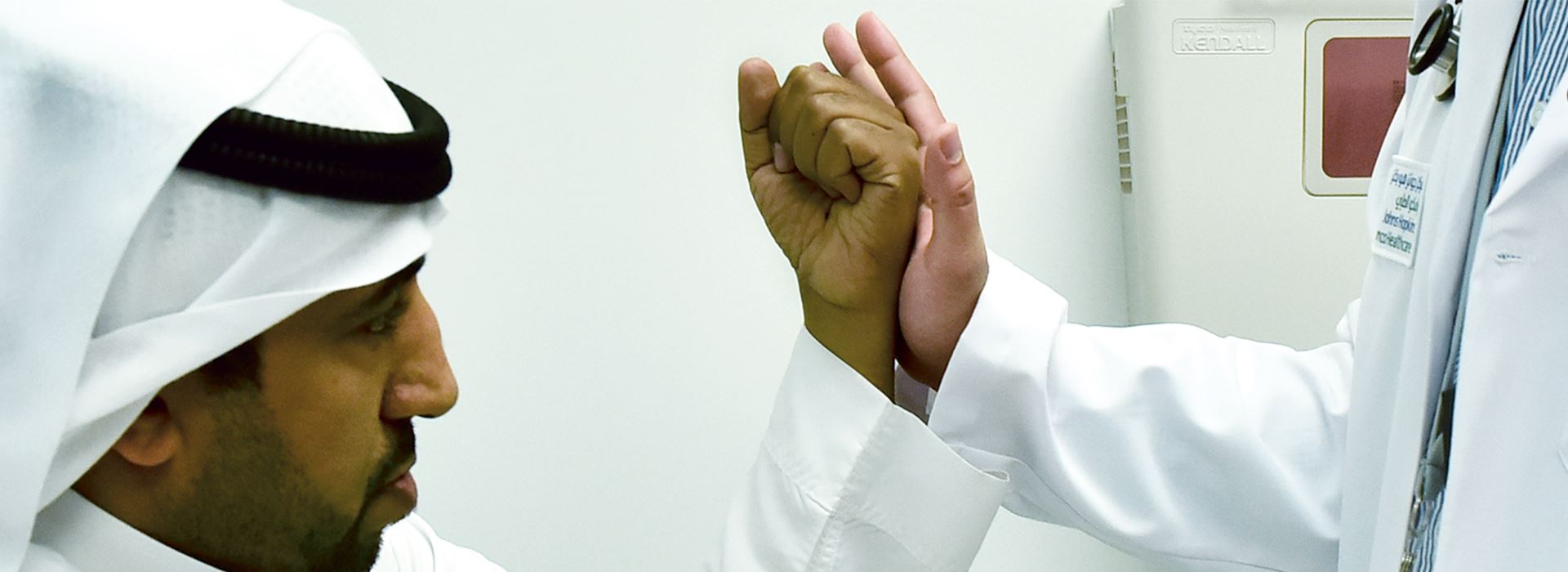
Rheumatology
What is Rheumatology?
If you, or a member of your family, suffer from arthritis, gout, fibromyalgia, osteoporosis or other musculoskeletal diseases, you can be confident that our rheumatologists at Johns Hopkins Aramco Healthcare (JHAH) have the expertise and experience to help. We specialize in the evaluation and treatment of musculoskeletal and rheumatic diseases, and will work with you and your family to create a comprehensive and individual plan for your care. Our skilled rheumatology team can treat more than 100 musculoskeletal conditions. We provide a caring environment to support you, and we will create a treatment plan that works for your particular needs and condition.

Arthritis
We treat a range of different forms of arthritis within our clinics, and make sure that you receive the best possible treatment, tailored to your particular problems:
Rheumatoid arthritis – the goal of our treatment of this chronic disorder is to help you achieve the lowest possible level of arthritis disease activity, minimize joint damage, and enhance your physical function and quality of life. Our treatments include medication, reduction of joint stress, physical and occupational therapy, and surgical intervention.
Psoriatic arthritis – we may treat mild peripheral arthritis with non-steroid anti-inflammatory drugs and/or intra-articular corticosteroids. If you are dealing with a moderate-to-severe form of the disease, antirheumatic drugs and/or TNF (tumor necrosis factor) inhibitors may be recommended by our experts.
Septic arthritis – also known as joint infection or infectious arthritis, this needs to be treated promptly to prevent osteoarthritis and damage to joints. Our experts may suggest intravenous antibiotics to enable quicker treatment.
Osteoarthritis – to control the symptoms of osteoarthritis our experts may suggest medication, weight reduction or surgery. We will take care to provide the correct treatment for your particular condition.
Reactive arthritis – also known as Reiter’s syndrome, this inflammation usually affects the urogenital tract, joints or eyes. Treatment includes use of antibiotics to treat the infection and then care or control of the symptoms.
Ankylosing spondylitis – if you are dealing with this condition, we may recommend physical therapy to improve your spinal mobility and physical functioning. Anti-inflammatory medication may also be prescribed.
Inflammatory bowel disease-related arthritis – treatment may include surgery or medication, along with physical therapy to maintain flexibility, range of motion and posture.
Still’s disease – if you are in the early acute stage of adult Still’s disease, our experts may suggest non-steroidal anti-inflammatory drugs to reduce pain and inflammation. Immunosuppressive drugs may be needed in more severe cases.
Gout – we can help with the pain and inflammation caused by gout using medication and uric acid-lowering therapy.
Pseudogout – calcium pyrophosphate dihydrate crystal deposition disease (CPPD) gets its name from its resemblance to gout. Our experts may suggest a combination of treatments to relieve pain and inflammation and improve joint function.

Connective tissue disease
A common symptom of a connective tissue disease is fatigue. You may also have a fever, muscle and joint pain, stiffness, or weakness. This group of diseases includes:
Systemic lupus erythematosus (SLE) – also known as ‘childhood lupus’, this autoimmune disease turns the immune system against the body and often affects children and teenagers. Treatment aims to prevent complications, and manage the symptoms and signs of the disease, and may include medication, diet and exercise.
Systemic sclerosis (scleroderma) – as the symptoms of this disease can vary greatly, we will arrange a treatment plan that suits your particular needs. This may include medication and lifestyle modification, but could also involve collaboration with our heart, kidney, lung and gastrointestinal expert colleagues at JHAH.
Polymyositis and dermatomyositis – these types of myositis cause muscle weakness as well as a skin rash. Our experts will need to treat the underlying cause of the disease with medication and may also use corticosteroids to quickly reduce inflammation. Physical therapy is also very important.
Sjogren’s syndrome – this autoimmune disease affects the eyes and mouth. Severity can greatly vary, with the joints and throat also being affected in some cases. We will help treat the symptoms of dry mouth or eyes with medication or drops.
Raynaud’s phenomenon – affecting blood flow to the arms and legs, this disease usually begins before the age of 30. Our experts will work with you to try to prevent attacks happening and will manage symptoms if they occur.

Osteoporosis
The loss of bone mass affects a large portion of the population, and is particularly prevalent in women. It develops over years, although lifestyle changes including calcium and vitamin D supplements, weight-bearing exercise, weight management and hormone replacement therapy can help. If you are dealing with osteoporosis, our experts will work with you on a personal treatment program, which may include medication, exercise programs and dietary changes.

Regional musculoskeletal disorders
If you are dealing with a musculoskeletal disorder we are here to help. We treat:
Fibromyalgia – this illness can vary greatly from person to person. We work with you to create the most effective combination of medication and therapy for your condition.
Tennis and golfer’s elbow – physical therapy can help with long-term management of these conditions along with medication.
Shoulder impingement syndrome – this condition can vary in severity and our experts will help manage your symptoms while addressing the problem in the most effective way. This could include surgery, medication or physical therapy treatment.
Plantar fasciitis – heel pain may be treated with anti-inflammatories or physical therapy, but in some cases a night splint or surgery may be needed. Our experts are here to help.
Trigger finger – this condition occurs when the connective tissue at the base of a finger or thumb thickens and constricts the tendon, causing pain and inflammation. Treatment may include medication or surgery.
Bursitis – this condition can be common in those with rheumatoid arthritis. Treatment may include anti-inflammatory medication or a corticosteroid injection.
Tendinitis – recommended treatment may include rest and splints, hot and cold therapy, medication, physical therapy, or corticosteroid injections at one of our procedure clinics.

Vasculitis
This group of disorders destroy blood vessels by inflammation, and may affect both your arteries and veins. Our experts will usually begin treatment with anti-inflammatory medication.
Giant cell arteritis – this inflammatory disease affects the large blood vessels in the scalp, arms and necks, and is most prevalent in women over the age of 50. Corticosteroid treatment is usually recommended by our experts.
Granulomatosis with polyangitis – a rare form of vasculitis affecting blood vessels in the nose, ears, sinuses, kidneys and lungs. A biopsy may be necessary to confirm this disease and treatment will usually include medication to reduce inflammation and slow the immune response.
Churg-Strauss vasculitis – this disease affects the small blood vessels. We will start treatment with anti-inflammatory medication.
Microscopic polyangitis – a blood vessel inflammation that most commonly affects the lungs, kidneys, nerves, joints and skin. Our treatment will focus on stopping any further damage to the organs.
Henoch-Schonlein purpura – symptoms of this disease include a spotty rash. Treatment focuses on stopping kidney damage.
Our Facilities Include
Infusion rooms – where we administer biological and other anti-rheumatic medications.
Inpatient consultation – for hospitalized patients on request from their attending physicians.
On-site education – support for you and your family from nursing staff.
On-site treatment room – for immunizations and administration of some medications.
Outpatient clinics – the main sites where we provide care, located at various centers across Johns Hopkins Aramco Healthcare. You will usually be referred by your Primary Care physician or a specialist.
Procedure clinics – where our rheumatologists provide aspiration and injection therapy of joints and soft tissues for conditions such as arthritis, bursitis, and tendinitis.
What to Expect from Our Rheumatology Services
Our Rheumatology Clinic is not a self-referral service. Your Primary Care doctor will refer you if they believe you need a rheumatologist to evaluate your condition.
When you arrive at the Rheumatology Clinic, you will be checked in, and within five minutes, a rheumatology nurse will carry out an initial clinical screening. Wait times are typically around 15–20 minutes, and your appointment will usually last 30–40 minutes.
Depending on your condition, you may need additional imaging procedures and/or lab tests. These procedures and any follow-up appointments can be arranged by the rheumatology team at the front desk. If further diagnostic or intervention procedures are needed, our team will guide you through preparations and answer any questions about the next steps.
Post-Treatment
Following your care, and depending on your specific treatment, you may be asked to undergo additional tests, take prescribed medication, or schedule an appointment for injection or infusion therapy. A follow-up appointment is often arranged, and you may be referred to other health professionals for occupational therapy, physiotherapy, or orthotics.
You may also need to see specialists in other medical departments within the hospital, such as nephrology, dermatology, respiratory therapy, or orthopedics.
Rheumatology Doctors


Internal Medicine and Rheumatology Consultant
Dr. Abdulaziz Alsarawi
Rheumatology
Languages: English, Arabic


Internal Medicine and Rheumatology Consultant
Dr. Arab Sadiq
Rheumatology
Languages: English, Arabic
News and articles
14 Jan, 2025
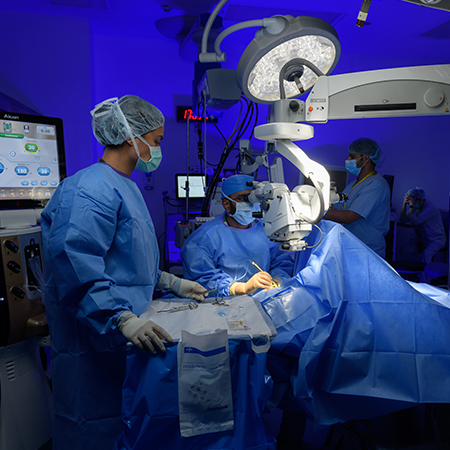
A patient’s 16-year journey with JHAH’s retina surgeons brings clarity of vision for their retirement
In 2024, JHAH’s Ophthalmology department celebrated 20 years of offering retina surgery. One of JHAH’s earlier retina surgery patients recounts his 16-year relationship with the department.
19 Jan, 2025
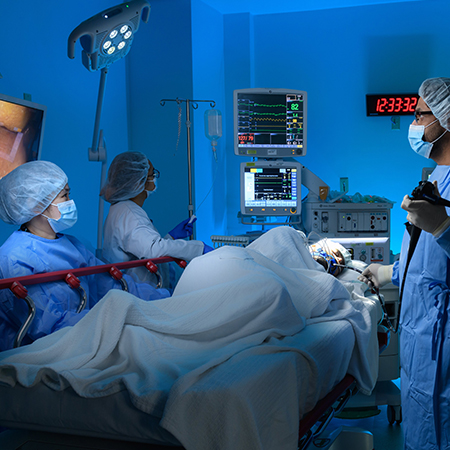
JHAH Al-Hasa unveils two new services for gastroenterology and dialysis patients
Endoscopic retrograde cholangio pancreatography (ERCP) and automated peritoneal dialysis are introduced at the JHAH Al-Hasa Health Center to further expand patient services at the facility.

19 Jan, 2025