
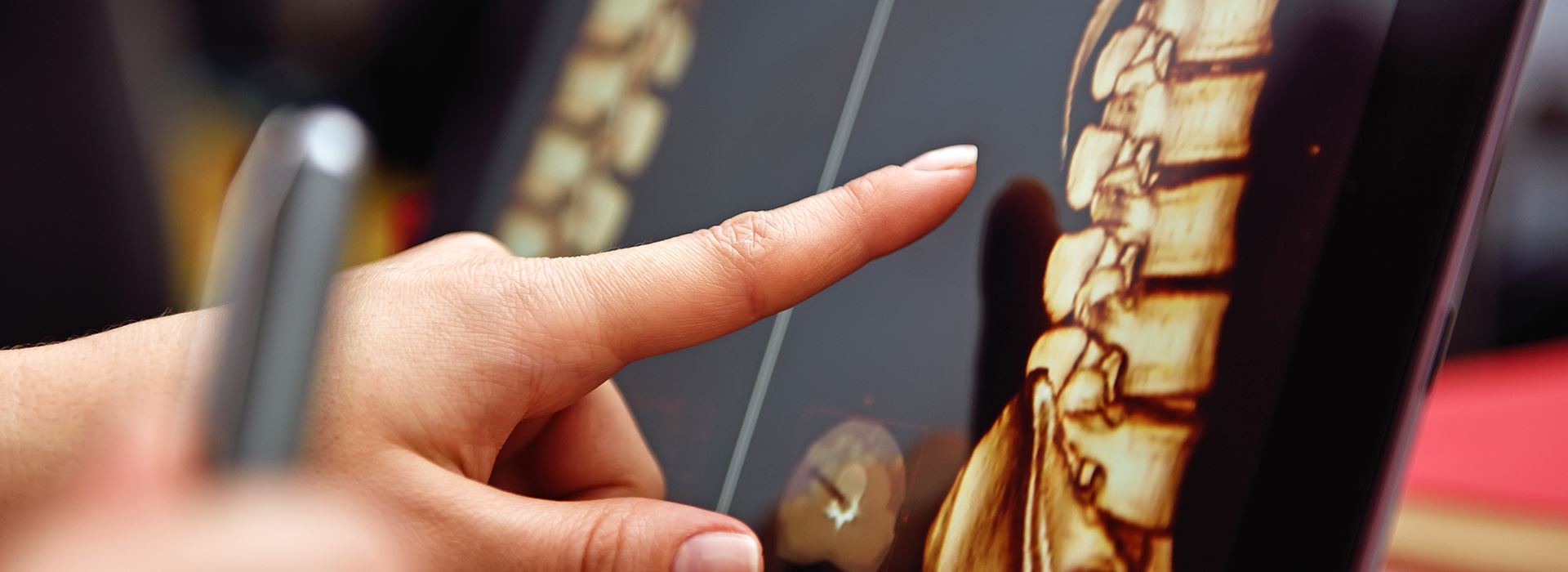
Neurosurgery
What is Neurosurgery?
We are here to help you and your loved ones receive the best possible help for conditions such as brain tumors, spine deformities and back problems. Our neurosurgical team offers a full range of specialized services, with experts dedicated to providing comprehensive care.

Brain tumor surgeries - neuro-endoscopic and endoscopic
Because tumors can grow in and around vital structures in the brain, careful evaluation is needed to decide how to treat them. Surgery enables a definitive diagnosis to be made, and removes as much of the tumor as possible, helping to relieve intracranial pressure. For low-grade or slow-growing tumors, surgery may be the only intervention necessary. Our neurosurgeons use advanced imaging technologies such as MRI to remove more of the tumor while preserving as much healthy tissue as possible.

Brain tumor surgeries - surgical neuro-oncology
Our neurosurgeons focus on cancers of the brain such as glioblastoma, tumors and glioma. We determine your unique medical condition and respond with an individual treatment plan and surgery.

Cervical and lumbar disc treatment
Nearly everyone experiences some degeneration of the intervertebral discs or spinal joints by the age of 40. Non-surgical treatments are often highly effective as an initial approach, but if not, surgical options are possible. Cervical disc replacement surgery involves removing a diseased cervical disc and replacing it with an artificial one.

Correction of spine deformity (scoliosis)
A spine affected by scoliosis is curved, giving the appearance that the person is leaning to one side. Scoliosis is often first diagnosed in children (and early intervention yields the best results), but treatment and monitoring may be lifelong. Common signs of scoliosis include a difference in shoulder height, a head that is not centered with the rest of the body, or a difference in hip height or position. Bracing is a common treatment, but in severe cases surgery may be required.

Neuralgia pain and facial spasms
Microvascular decompression surgery is the most long-lasting treatment for trigeminal neuralgia – a chronic pain disorder that can cause severe, sudden, shock-like pain in one side of the face. It involves the removal of a small piece of the skull to gain access to the nerve and blood vessels, and the placing of a cushion of insulation around the blood vessel so that it no longer compresses or rubs against the nerve. Recovery usually takes four to six weeks.

Pediatric neurosurgery for brain, skull and spine
If your baby or child needs surgery for a congenital brain or spine malformation, our dedicated and compassionate team are here to provide comprehensive care and support for your entire family. We provide surgical expertise in craniofacial syndromes, which happen when the soft plates of a baby’s skull close too soon or in an unusual way.


Pituitary Tumor
The pituitary is a small gland in the brain, located behind the back of the nose. It makes hormones that affect many other glands and many functions in your body. Most pituitary tumors are benign (not cancerous) and won’t spread to other parts of your body. But they can cause the pituitary to make too few or too many hormones, causing problems in the body. Treatment may include surgery, radiation therapy or medication.

Spinal Injuries - Stenosis
Mild cases of stenosis – a narrowing of the bone channel occupied by the spinal nerves or the spinal cord – can be treated without surgery through a combination of exercise, lifestyle changes, hot and cold treatments, injections and oral medication. For advanced stenosis, your doctor may recommend surgery, which may include removal of a small section of bone to relieve pressure (laminectomy). Sometimes, large areas of bone are removed and metal hardware is inserted to provide strength and support for the spine (spinal fusion).

Tumor Stabilization
Some tumors cannot be removed surgically. Our experts may suggest stabilizing and isolating the tumor, to prevent collateral damage to other parts of the brain.
Neurosurgery Doctors


Neurosurgery and Spine Surgery Consultant
Dr. Ahmed Alshammasi
Neurospine, Neurosurgery
Languages: English, Arabic

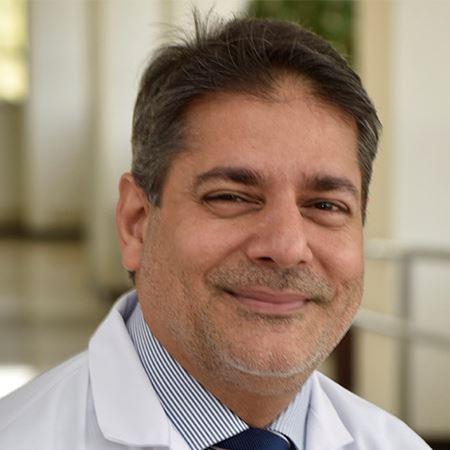
Neurosurgeon
Dr. Khalid M. Siddiqui
Neurospine, Neurosurgery
Languages: English, Arabic
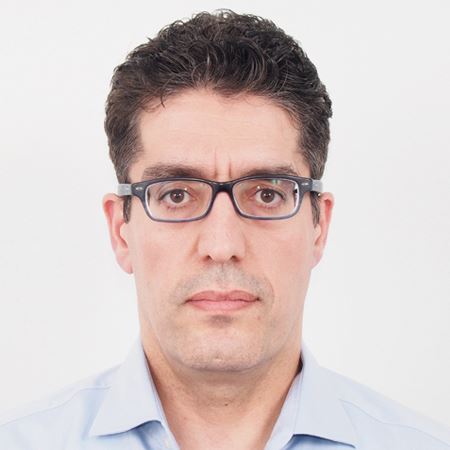
Neurosurgery Physician
Dr. Nabil Badran
Neurospine, Neurosurgery
Languages: English, Arabic
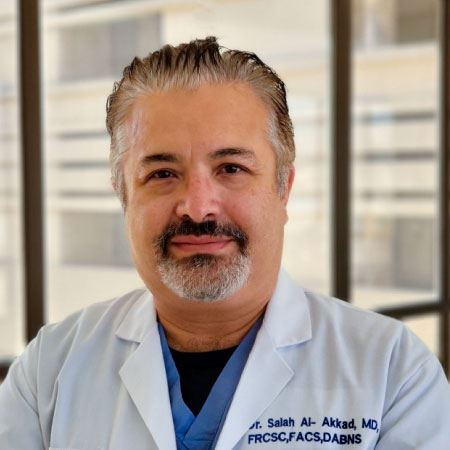
Neurosurgeon
Dr. Salah Al-Akkad
Neurospine, Neurosurgery
Languages: English, Arabic