
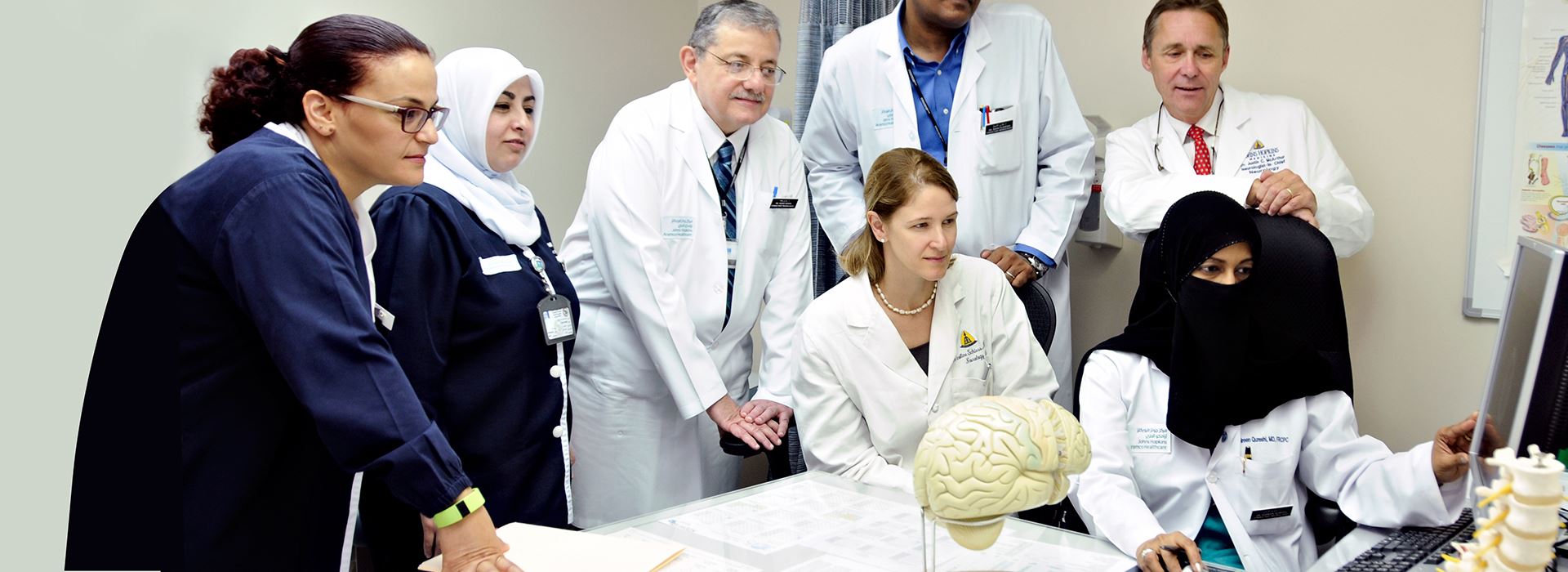
Neurology
What is Neurology?
Our neurology team offers a full range of specialized neurological services, with experts dedicated to providing you with comprehensive care. Our services range from outpatient consultations to neuro-intensive care. We are here to help you with conditions such as strokes, headaches, epilepsy, movement disorders, memory disorders, multiple sclerosis (MS), Alzheimer's disease, and neuromuscular degenerative problems.

Epilepsy
Epilepsy is one of the most common nervous system disorders – affecting people of all ages and backgrounds – and often does not have a detectable cause. Our consultant neurologists will carry out a series of tests if you have been suffering from seizures or ‘blanking out’ spells, to try to find the best possible treatment, tailored to you and your particular symptoms. We are dedicated to helping improve quality of life, and management for partial seizures may range from the use of anticonvulsant medication to surgical treatment.

Headache Disorders
Headaches vary greatly in terms of the location and intensity of the pain, and how often they occur. They can include cluster headaches, tension, migraines or pain from a head injury. We use the following tests to find the cause of a headache: Blood tests – to check for underlying conditions Sinus X-rays – to evaluate for congestion or other problems that may be corrected Magnetic resonance imaging (MRI) – to produce detailed images of organs and structures within the body A CT or CAT scan – to show detailed images of any part of the body, including the bones, muscles, fat and organs. CT scans are more detailed than general X-rays.

Movement Disorders (such as Parkinson’s disease)
Movement disorders can be relentlessly progressive and disabling, and just 50 years ago many were considered untreatable. The good news is that recent advances have led to tremendous breakthroughs in both medical and surgical treatment of these conditions. We are committed to continued progress and improving the lives of those suffering from these disorders.

Multiple Sclerosis
Multiple sclerosis (MS) is a long-lasting (chronic) disease of the central nervous system. Some people with MS may have only mild symptoms, while others may lose the ability to see clearly, write, speak or walk. If you, or someone you love, is fighting MS, you will know that symptoms vary widely, as does the time between episodes, the rate of progression and the response to treatment. Advances in medications have improved the course of this disease for many, but identifying the right treatment for the right person at the right time still remains a challenge. Our experts are dedicated to providing targeted diagnosis and treatments designed to work effectively for your needs, lifestyle and medical history. Medical therapy is offered and we continue to advance in this field of neurology.

Neurodegenerative disorders (such as Alzheimer’s disease)
We provide comprehensive, compassionate and timely treatment for you and your loved ones. We treat movement disorders, including ataxia, dystonia and essential tremors, providing you with the best possible care.

Neuromuscular Disorder
We provide extensive testing and care for people with various neuromuscular disorders. These disorders are a group of inherited diseases characterized by weakness and a wasting away of muscle tissue, with or without the breakdown of nerve tissue. There are nine types of muscular dystrophy, each of which results in an eventual loss of strength, increasing the risk of disability and deformity.

Neurophysiology and Electrodiagnostic Services
Our electroneurodiagnostic (END) technologists specialize in studying and recording the electrical activity of the brain and nervous system. They use electroencephalograph (EEG) machines and other high-tech equipment to record measurements taken from the central nervous system.

Peripheral Neuropathy
There are more than 100 types of peripheral neuropathy, each with its own set of symptoms and prognosis. One of the most common causes of peripheral neuropathy is diabetes. Peripheral neuropathy is a type of damage to the nervous system, specifically the peripheral nervous system – a network of nerves that sends information from your brain and spinal cord (central nervous system) to the rest of your body.

Strokes
Our team of doctors and specialists are uniquely positioned to offer comprehensive treatment plans. From the moment you arrive at the hospital, we will provide the most effective ways to diagnose and treat strokes, using new technologies and drugs. We aim to support you during all phases of recovery, with the highest level of care, helping you to improve your functionality and quality of life.
Neurology Doctors

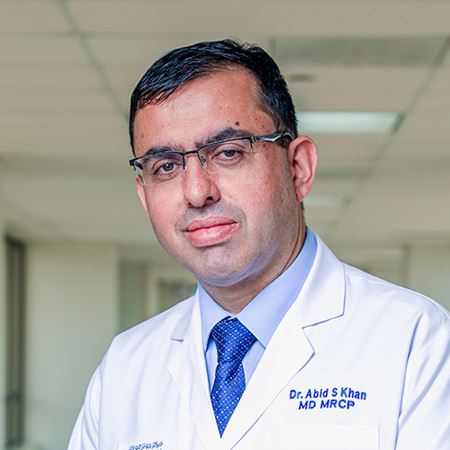
Neurology Staff Physician
Dr. Abid Khan
Neurology
Languages: English, Arabic

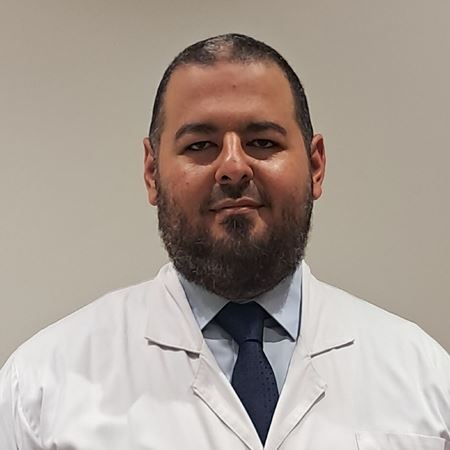
Neurology Staff Physician
Dr. Ahmed Elgeaidi
Neurology
Languages: English, Arabic
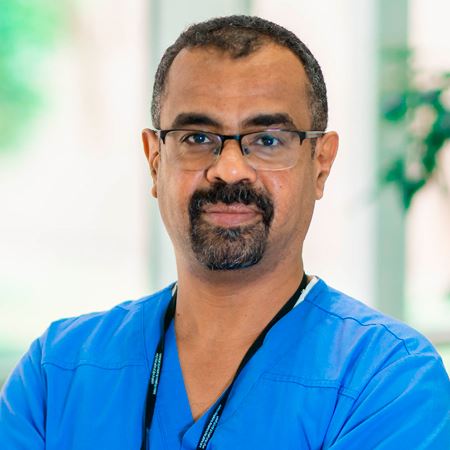
Neurology Consultant
Dr. Ali Elfatih
Neurology
Languages: English, Arabic
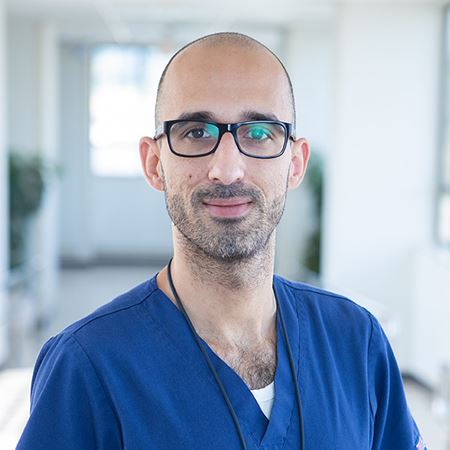
Neurosurgery Surgeon
Dr. Hussam M. Hamdan
Neurology, Neurospine
Languages: English, Arabic
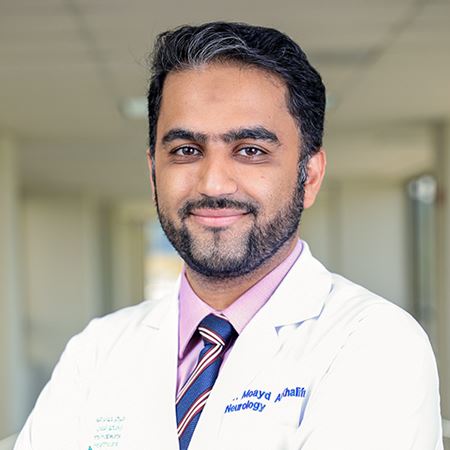
Neurology and Vascular Neurology Consultant
Dr. Moayd M Alkhalifah
Neurology
Languages: English, Arabic
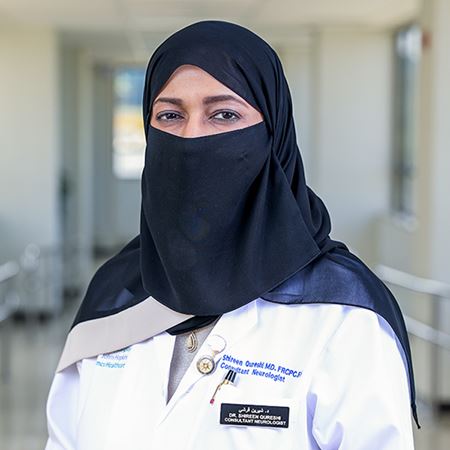
Neurology Consultant
Dr. Shireen Qureshi
Neurology
Languages: English, Arabic

Neurology Consultant
Dr. Sondos T. Hindi
Neurology
Languages: English, Arabic