
Cardiology
What is cardiology?
Our cardiology team provides comprehensive treatment if you are living with heart problems. This includes coronary artery disease, valvular heart disease, various arrhythmias, cardiomyopathy, and congenital heart disease.
Cardiology services for network registered (MDF) patients
Did you know that Saudi Aramco employees and their dependents, who are registered with a JHAH network provider (MDF), can request to have their heart surgery performed at JHAH?
Do you want to know more? You can request a call-back from our team and we will walk you through the process and eligibility criteria.
Cardiology treatments, services and procedures
Our cardiology teams welcome patients to our daily outpatient clinics. We provide care for individuals who are newly diagnosed with a heart problem, as well as follow-up care for ongoing cardiac conditions.
We offer specialized clinics for specific cardiac needs, including:
Heart failure – with dedicated nurse, physician, and pharmacist support
Management of pacemakers, defibrillators, and implantable cardiac devices
Anticoagulation therapy
Our cardiac electrophysiology experts can help you with various heart rhythm problems, including arrhythmia in the upper and lower chamber of the heart. Our team arranges procedures such as studying heart rhythms, invasive testing, use of electrodes, assessing your risk of cardiac arrest, helping to map and localize arrhythmia, and determining your need for rehabilitation/ medicine/ device implant/ therapies. If you have had a cardiac device implantation, such as a pacemaker, an ICD or a loop recorder, we have a cardiac device clinic available to ensure optimal use of your implanted cardiac device.
If your arteries are narrowed by the build-up of cholesterol deposits, it can lead to inadequate blood flow, and potentially serious problems such as angina and heart attacks. Using our state-of-the-art angiography equipment, we can closely observe coronary vessels to determine the severity of a blockage. This involves passing a small tube from arm or groin and injecting dye. In cases where coronary intervention is needed, we will open blocked vessels using a balloon, before inserting a medicated metal tube/ stent to prevent vessel reocclusion.
With expertise in treating a wide range of cardiac problems, especially acute coronary syndromes, heart failure and arrhythmia, our inpatient clinicians will ensure that you receive first-class care in a comfortable environment. This will include access to cardiac catheterization, echocardiography and advanced imaging, within our state-of-the-art Coronary Care Unit and Progressive Care Unit.
Our highly trained and experienced cardiac rehabilitation team of specialists can help if you have a heart condition. A comprehensive progm of monitored exercise training, education, and behavioral modification designed for your condition by our team will help you return to your optimum fitness and mobility and adopt a healthy lifestyle for future prevention. Our rehabilitation specialists will support you and your family deal with your condition's physical and psychological effects.
Phases of the cardiac rehabilitation program at JHAH
Phase I (inpatient phase): During hospitalization, you will undergo a full assessment and receive advice about recommended timing for the safe return to normal daily activities, lifestyle modifications, and safe exercises.
Phase II (outpatient phase): You will undergo a monitored and supervised exercise training program with continuous education and counseling toward activities and risk factors modifications. During the exercise-based cardiac rehabilitation, your heart rate/rhythm and blood pressure will be monitored during exercise to keep them within the required target range and ensure your safety.
While in the program, as part of the comprehensive treatment plan, you will be referred to other specialty areas within JHAH, such as Medical Nutrition, Endocrinology, Pharmacy, Smoking Cessation, and Psychology Services as needed.
Heart Failure has risen to become an eventual condition of cardiac disease with high incidence, prevalence, and mortality. At the Cardiovascular Department at JHAH, the multi-disciplinary Heart Failure service team, which includes expert physicians, nurses, dietitians, and cardiac rehab, encompasses all aspects of heart failure and advanced heart failure management. With dedicated Heart Failure Clinics, heart failure experts can make precise diagnoses and initiate guideline-based heart failure therapies. This also interfaces with acute heart failure illness, where patients are managed in the cardiac Care Unit and are followed up meticulously following discharge. The future horizons of advanced heart failure management and therapies are the future cornerstones of the Cardiovascular Department at JHAH.
Cardiac catheterization, commonly referred to as cardiac cath, is a diagnostic procedure where a thin, flexible tube called a catheter is inserted into a blood vessel, typically in the groin, arm, or neck. This catheter is then threaded through the blood vessel into the heart, enabling various tests and interventions to be performed under the guidance of your doctor.
Tests and Procedures During Cardiac Cath
Coronary Angiography: By injecting contrast dye into the coronary arteries, your doctor can assess blood flow and detect any blockages.
Interventional Procedures: These may include angioplasty to widen narrowed arteries, stent placement to keep arteries open, or techniques like fractional flow reserve to evaluate artery blockage severity.
Intravascular Imaging: Utilizing intravascular ultrasound (IVUS), detailed images of blood vessels can be obtained, aiding in diagnosis and treatment planning.
Biopsy: In some cases, a small tissue sample may be taken for further examination.
Indications for Cardiac Catheterization
Cardiac cath is often used to diagnose and evaluate various heart conditions, including atherosclerosis, cardiomyopathy, congenital heart disease, heart failure, and heart valve disease. Symptoms such as chest pain, shortness of breath, dizziness, or extreme fatigue may prompt your doctor to recommend this procedure.
Preparation and Risks
Before undergoing cardiac cath, thorough preparation is essential. This may involve fasting, medication adjustments, and informing your doctor about any allergies or medical conditions. Risks, including allergic reactions to contrast dye and discomfort during the procedure, should be discussed with your healthcare team beforehand.
What to Expect
At JHAH Cardiovascular Department, our dedicated team provides comprehensive inpatient and outpatient cardiac care, including emergency interventions, surgical procedures, and rehabilitation services. From initial consultation to follow-up appointments, our experienced cardiologists and care team ensure personalized treatment and support every step of the way.
Before Treatment
Upon scheduling your appointment, you'll meet with one of our cardiology consultants who will guide you through the process. Your journey with us includes ongoing support, from your initial consultation to post-treatment follow-up appointments.
During Treatment
At our Cardiology Clinic, you'll receive thorough clinical screening and personalized care tailored to your needs. Imaging procedures and laboratory tests, if required, are efficiently arranged by our team to ensure a seamless experience.
Post-Treatment
Following your care, you'll have follow-up appointments as needed. Our group practice approach ensures continuity of care, with appointments available with any cardiologist on your preferred date. Our nursing team will provide guidance on any necessary preparations for further diagnostic or intervention procedures, ensuring your ongoing well-being within our cardiology services
At JHAH Cardiology Department, our cardiac electrophysiology experts specialize in diagnosing and treating various heart rhythm disorders, including arrhythmias affecting both the upper and lower chambers of the heart. Through advanced techniques and procedures, our team ensures precise evaluation and personalized management of your condition.
Services Offered:
Electrophysiological Studies: Comprehensive evaluation of heart rhythms to identify abnormalities and assess their impact on your health.
Invasive Testing: Utilizing specialized equipment and techniques to gather detailed information about your heart's electrical activity.
Electrode Placement: Placement of electrodes to monitor heart rhythms and guide therapeutic interventions.
Risk Assessment: Evaluation of your risk factors for cardiac arrest and other serious cardiac events.
Arrhythmia Mapping: Precise mapping of arrhythmia sources within the heart to facilitate targeted treatment strategies.
Ablation and Device Implantation: Determination of the need for ablation procedures or implantation of cardiac devices for optimal management of your condition.
Cardiac Device Implantation
If you've undergone cardiac device implantation, such as a pacemaker, implantable cardioverter-defibrillator (ICD), or loop recorder, our specialized cardiac device clinic provides comprehensive follow-up care and support. Our experienced team ensures that you receive the necessary monitoring, adjustments, and education to maximize the benefits of your implanted device and maintain your cardiac health.
Comprehensive Care
From initial evaluation to post-procedure follow-up, our dedicated team of electrophysiologists and healthcare professionals delivers compassionate, patient-centered care. We strive to empower you with knowledge and support throughout your journey towards better heart health.
What to Expect
When you choose JHAH for your electrophysiology needs, you can expect:
Thorough evaluation and personalized treatment plans tailored to your unique condition.
Access to state-of-the-art technology and advanced procedures for accurate diagnosis and effective management.
Ongoing support and education to help you understand your condition and make informed decisions about your care.
Seamless coordination of care between our electrophysiology team and other specialists as needed, ensuring comprehensive and integrated treatment.
Continued Support
Your journey with us doesn't end after your procedure. Our team remains committed to your long-term heart health, providing regular follow-up appointments, monitoring, and adjustments to your treatment plan as necessary. With JHAH, you can trust that you're in expert hands every step of the way.
At our Cardiology Clinic, our experienced team of cardiologists and heart surgeons collaborates to determine the suitability of Transcatheter Aortic Valve Replacement (TAVR) for patients with aortic valve stenosis. Traditionally, this condition necessitated open-heart surgery. However, TAVR has emerged as a minimally invasive alternative, offering significant advantages, particularly for patients at low risk of complications.
Patient Assessment:
During your consultation at the Cardiology Clinic, various factors will be considered to determine if TAVR is the appropriate treatment option for you. These factors include:
Age
Overall Health and Mobility
Cardiac Health
Medical History, including Previous Heart Surgeries and Stroke
Pre-existing Conditions such as Chronic Obstructive Lung Disease (COPD), Liver Disease, and Kidney Disease
Previous Radiation Therapy to the Chest
Aortic Conditions, such as Calcium Deposits
Benefits of TAVR
TAVR offers several advantages over traditional open-heart surgery:
Less Invasive Approach: TAVR involves a minimally invasive procedure compared to open-heart surgery.
Light Sedation: Instead of general anesthesia, patients undergoing TAVR typically require only light sedation, resulting in a more comfortable experience.
Shorter Hospital Stay: While open-heart surgery may require a hospital stay of four to six days, TAVR patients often return home within one day.
Quicker Recovery: The less invasive nature of TAVR generally leads to a quicker recovery process, allowing patients to resume their daily activities sooner.
Comprehensive Care:
At our clinic, your care is our priority. Our multidisciplinary team works closely with you to provide personalized treatment and support throughout your TAVR journey. We are dedicated to ensuring that you receive the most appropriate and effective care tailored to your individual needs and circumstances.
Next Steps:
If you're considering TAVR or have been referred for evaluation, we encourage you to schedule a consultation with our Cardiology Clinic. Our team will assess your condition thoroughly and discuss the best treatment options available to you, guiding you every step of the way towards improved heart health and wellbeing.
The Non-Invasive Cardiovascular Lab at JHAH is dedicated to providing cutting-edge diagnostic testing for heart conditions, all while delivering compassionate care. Led by cardiovascular experts and staffed with highly skilled cardiologists, sonographers, and technicians, our lab is committed to excellence in patient care. Accredited in Adult Echocardiography, Adult Stress Echocardiography, and Transesophageal (TEE), we pride ourselves on providing top-tier services in Saudi Arabia.
Non-invasive diagnostic tests
Electrocardiogram (EKG or ECG): This test measures the heart's electrical activity to determine its function.
Heart Monitors: Also known as holter monitors or cardiac event recorders, these devices monitor your heart's electrical activity over a specified period. We offer 24, 48, or 72-hour holter monitors, 24-hour blood pressure monitors, and one-month external memory loop recorders.
Stress Test: Involving exercise and physical activity, this test monitors EKG recordings and blood pressure before, during, and after treadmill exercise, providing valuable insights into heart performance under stress.
Nuclear Cardiology: Utilizing various imaging techniques with radioactive elements, this field studies cardiovascular disorders. EKG tracing and nuclear images of the heart at rest and during stress provide crucial diagnostic information.
Echocardiography: Also known as cardiac ultrasound, this non-invasive examination utilizes ultrasound waves to examine the heart's structure and function. It offers valuable insights into heart size, shape, pumping capacity, tissue damage, valve function, and blood flow assessment.
Echocardiography lab services
Adult Transthoracic Echocardiogram
Adult Transesophageal 2D/3D Echocardiogram
Adult Stress Echocardiogram (pharmacological and exercise)
Adult Contrast Echocardiography (bubble saline, contrast agent)
Adult Echo-guided Pericardiocentesis
Adult Congenital Heart Echocardiogram
Pediatric Transthoracic Echocardiogram (infants, toddlers)
At JHAH, we prioritize patient well-being and comfort. Our experts may recommend a visit to our non-invasive laboratory for a thorough evaluation of heart and valve function. Depending on your needs, tests may include treadmill exercise, myocardial perfusion imaging, Holter monitoring, loop recording, or 24-hour blood pressure monitoring.
What to Expect
If you or a loved one has been diagnosed with coronary artery disease or acute coronary syndrome, we offer comprehensive 24-hour inpatient and outpatient treatment. Our services include emergency care, cardiac surgery, cardiac rehabilitation, and outpatient rehabilitation. Our arrhythmia service covers conditions such as atrial fibrillation, ventricular tachycardia, and the implantation of various cardiac devices.
Before Treatment
Upon scheduling an appointment, you'll meet with one of our experienced cardiology consultants. Our dedicated care team will guide you through every step of your journey, from your initial consultation to ongoing support post-treatment. Typically, you'll be invited to one of our Cardiology Clinics within two to four weeks of referral from Primary Care. Following your care, you'll have follow-up appointments tailored to your specific treatment plan.
During Treatment
When you arrive at the Cardiology Clinic, our efficient check-in process ensures minimal wait times. Within five minutes, our cardiology nurse will conduct an initial clinical screening. Your appointment, lasting 20-30 minutes, allows ample time for assessment and discussion. Depending on your condition, further imaging procedures or laboratory tests may be necessary, all of which can be seamlessly arranged by our cardiology team.
Post-Treatment
Following your care, you'll continue to receive personalized attention through follow-up appointments. Our group practice cardiology care system ensures flexibility in scheduling, with appointments available with any available cardiologist on your preferred date. Should you require additional diagnostic, intervention procedures, or rehabilitation, our nursing team will provide thorough guidance and support, addressing any questions or concerns along the way.
Clinical Quality Registries
At JHAH Health Care Center, our commitment to continuous improvement ensures that every patient receives exceptional care. Clinical quality registries play a pivotal role in this endeavor, equipping our doctors, healthcare teams, and hospitals with invaluable insights to drive ongoing enhancements.
Benefits of Clinical Quality Registries:
Enhancing Healthcare Standards: Elevating the quality of healthcare services.
Patient-Centric Focus: Tailoring healthcare to your individual needs and priorities.
Informed Decision-Making: Empowering you to make well-informed decisions about your healthcare.
Ensuring Device Safety: Providing information and support regarding implanted medical devices, including addressing safety concerns.
Our Registries:
Managed by the American College of Cardiology (ACC), the NCDR suite facilitates measurement and improvement of cardiovascular care quality in hospitals and private practices. Through platforms like eReports Corporate, stakeholders access customized reports to drive informed decision-making.
Offering a suite of resources, STS assists hospitals and Cardiothoracic Surgeons (CT) in assessing and benchmarking performance to enhance quality, safety, and patient outcomes. The STS National Database sets the industry standard for clinical outcomes in CT surgery.
Administered by the ACC, the TAVR Registry monitors patient safety and outcomes related to transcatheter valve replacement and repair procedures, ensuring the highest standards of care for valve disease patients.
This registry provides comprehensive data on patients undergoing atrial fibrillation (AFib) catheter ablation procedures, offering actionable insights and real-time metrics to inform decision-making and benchmark performance.
Registry benefits and achievements at JHAH
Guideline medications prescribed at discharge: 100%
Cardiac rehabilitation referral: 100%
Emergency/Salvage CABG post PCI: 0%
Post-procedure stroke: 0%
A cardiac patient journey at JHAH
What to expect
Before treatment
Our Cardiology and Vascular Clinics are not self-referral services. Your Primary Care physician will make a referral for you if they believe you need a specialist to evaluate your condition. When arranging an appointment, we will make sure that you see one of our experienced consultants. Our dedicated team will look after you every step of the way – from advice at your first consultation, through to ongoing support after your treatment. You will be invited to a clinic, usually two to four weeks after your referral from Primary Care.
During treatment
When you arrive at the clinic, you will be checked in, and within five minutes our nursing team will carry out an initial clinical screening. Wait times are usually around 15-20 minutes, and your appointment will usually last 20-30 minutes.
Post-treatment
Following your care, and depending on your specific treatment, you will have follow-up appointments.
Heart and vascular services

Cardiothoracic surgery
Our chest and lung surgery team can help if you are dealing with a disease of the heart.

Vascular surgery
Vascular surgery deals with blood-vessel conditions. Our surgeons treat a number of artery and vein diseases.

Your heart and vascular physicians


Staff Surgeon
Dr. Amro Zarea
Cardiac Surgery, Thoracic Surgery
Languages: English, Arabic

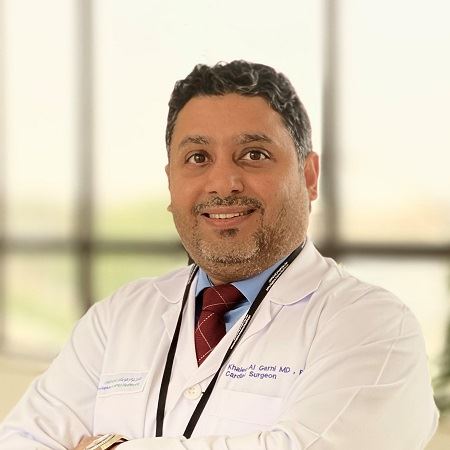
Cardiology Consultant
Dr. Khaled D. Algarni
Cardiac Surgery, Thoracic Surgery
Languages: English, Arabic
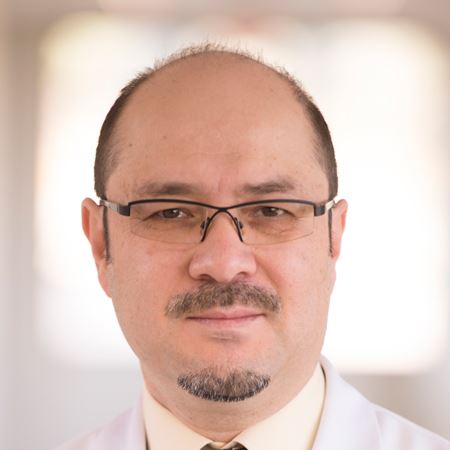
Thoracic Surgery Consultant
Dr.Medhat Bukhari
Cardiac Surgery, Thoracic Surgery
Languages: English, Arabic
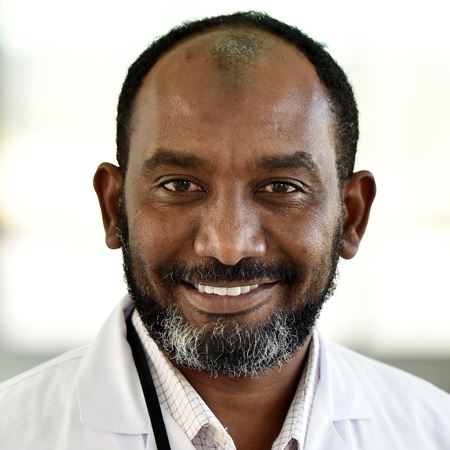
General Surgery Physician
Dr. Suhaib Ahmed
Cardiac Surgery, Thoracic Surgery
Languages: English, Arabic


How JHAH is Shaping the Future of Cardiovascular Care
Recognizing the growing burden of cardiovascular disease in Saudi Arabia – where over 30% of adults are at risk – JHAH prioritized this issue in its five-year Clinical Services Plan. In response, JHAH modernized its Cath Lab to meet increasing demand, enhancing services and improving capacity. New treatments, including mitral clip procedures and renal denervation, were introduced. By addressing critical constraints such as recovery bed availability, the lab now handles 250 procedures monthly, up from 150, with patient satisfaction exceeding 90%. Key to success was cross-department collaboration, innovation, and a proactive approach to problem-solving. Read the full case study here for more insights.