
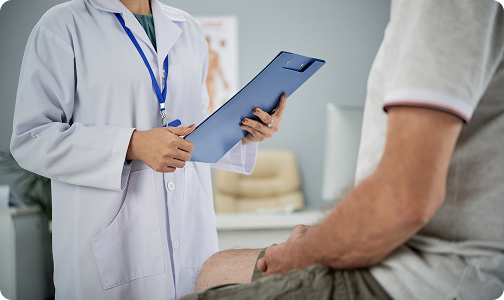
Emergency Care

Landline
Inside Saudi Aramco
911
Mobile
Inside Saudi Aramco
013-872-0911
Landline & Mobile
Outside Saudi Aramco
911
Emergency Care
Our specially trained emergency teams respond to a wide variety of illnesses and injuries needing urgent medical attention. Rest assured that your safety, care and wellbeing are our priority.

Ambulance Services
Critical emergency transport with advanced life support and expert paramedic care.

Disaster Preparedness
Plans and resources for responding to community-wide emergencies.

Emergency Trauma Care
Expert, immediate treatment for severe injuries and life-threatening conditions.
When to Seek Emergency Care ?
Our Emergency Medical Services teams provide care and treatment when you are seriously ill or have an injury that would threaten your life or physical wellbeing if not treated quickly. Chronic illnesses that are stable, non-urgent illnesses such as flu, and cases that do not pose an immediate threat, are better and more quickly treated in other areas of our healthcare system, such as in our Primary Care clinic.
What to Expect from Emergency Medical Services
A visit to the EMS is hopefully rare for most people. So, it is important to know that emergency medical services are different from a scheduled appointment at your doctor’s office. As you wait to be treated, you may notice that some people who came in after you are being seen before you. We practice a system called triage, where the most critically ill or seriously injured are treated first – regardless of where they fall in line. Even those people who come in by ambulance may go through the triage process.
Your Role
Average wait times for our Emergency Medical Services can vary. If you're uncertain whether emergency care is needed, consider visiting the nearest JHAH EMS. For non-urgent situations, seeking help in Primary Care is often the better choice. Your Care Team’s deep understanding of your medical history allows them to provide more efficient treatment tailored to your needs.
What to Bring and What Not to Bring When Receiving Emergency Care
Remember to bring all medications that you have been using before your visit. You can bring essential personal items such as a mobile phone. We understand that you need support and encouragement during your visit, and we allow one visitor to stay in the treatment area with you. Other friends or family members may wait outside.
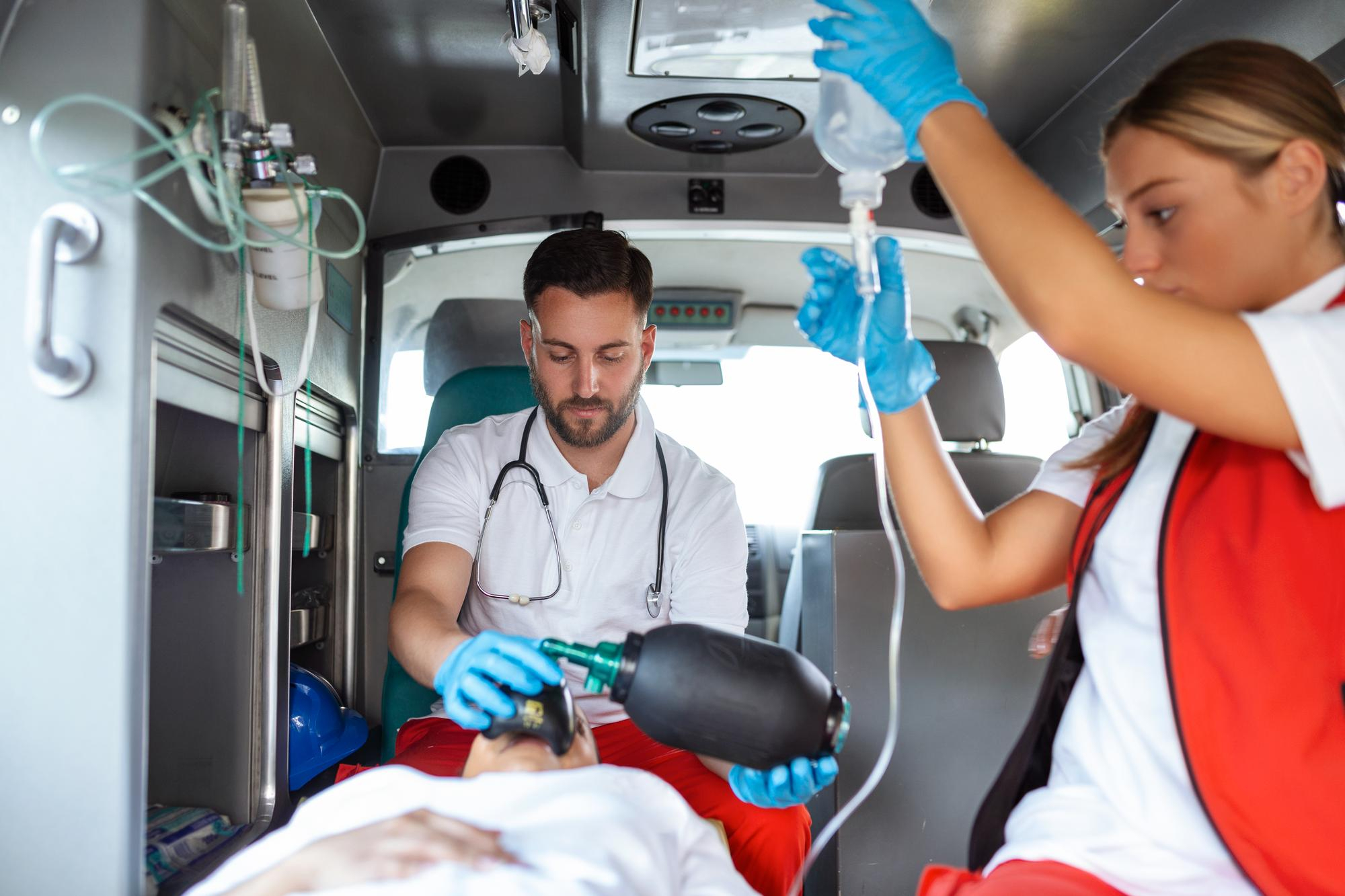
EMS is available 24/7 in all Location
Dhahran, Al-Hasa, Abqiq, Ras Tanura, Udhailiyah SPARK
How it is Works
The 4 steps of your emergency care
Your step-by-step guide through emergency care at Johns Hopkins Aramco Healthcare

Step 1: Registration
On arrival, head to the registration desk, where a nurse will listen to the reason for your visit and visually assess your condition. If you are stable, your information will be taken straightaway to enable us to get you into our system immediately. You can check the screen in the waiting area to find out current waiting times, or check the frequently updated average wait times on MyChart before coming to the EMS.
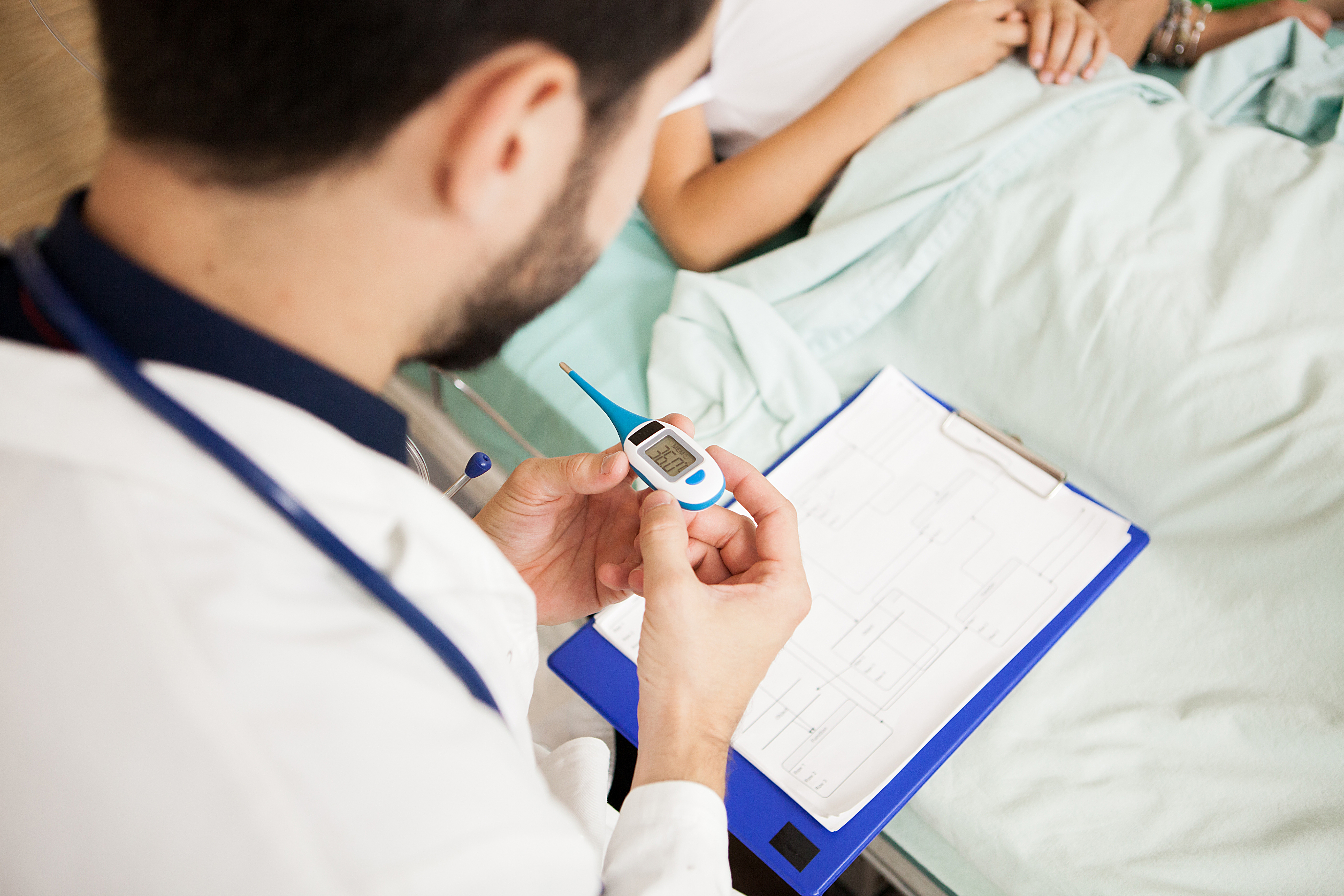
Step 2: Triage
In triage, you will be assessed and evaluated for urgency. A specially-trained triage nurse will ask you a series of standard questions, check your medical history, allergies, list of medications and the history of your present problem, and perform routine tests.
The triage nurse will prioritize your medical needs based on urgency, rather than a first-come, first-served basis. If you are critically ill, you may be taken straight to the main emergency department. Otherwise, take a seat in the waiting area until you are called. If your symptoms worsen while waiting, let a member of our team know. If your medical problem is not urgent, the triage nurse may refer you back to your Primary Care physician.
Our team will efficiently keep your plan of care progressing whether you are waiting or having tests carried out. Ideally, we try to see people in the triage area within 10-15 minutes of their arrival, but delays can occur if we are very busy. If you have any concerns prior to being seen by a doctor, you can talk to a member of our team at any time. They can be found close to the waiting area, and will be constantly checking on those waiting.

We Appreciate your Patience
A visit to EMS can be stressful for you and your loved ones, so we appreciate your understanding, cooperation and patience in helping our staff to provide you with the most appropriate care. If you have any questions during or after your visit, please let us know.
For your convenience, our waiting areas offer Wi-Fi access and televisions. Mobile phones are also allowed. Food and drink can be purchased from nearby cafes or vending machines.

For Safety’s Sake
If your symptoms worsen while you are waiting to be seen, please inform your nurse
Do not eat or drink without checking with your nurse. This might affect tests or procedures, and delay your care
Do not take/administer medicine in the waiting area, unless you have received consent from your nurse
Do not leave the treatment area without informing your primary nurse
If you are suffering from respiratory symptoms, you might be asked to wear a mask and be advised to stay in the respiratory waiting area
Help reduce the spread of germs by regularly washing your hands with soap or using our hand sanitizers

Code of Behavior
JHAH has a zero-tolerance policy for violent or disruptive behavior. Violence, swearing, shouting, and threatening or verbal abuse will not be tolerated, and security will be called if necessary
We understand that you need support and encouragement during your visit, but we can only allow one visitor to stay in the treatment area with you, where you should remain to ensure privacy, confidentiality and safety

Operational Medicine
Operating across the Kingdom, we deliver critical care in challenging environments. Our teams provide 24/7 emergency response, remote medical care, disaster management, and air medical services, supported by comprehensive training and simulation programs.
